Restoring historical homes after a death presents an unique challenge. As families handle the grief of a loved one's passing, they must also address the practical aspects of property clearance, especially when the home holds sentimental value or historical significance. This process requires careful handling to preserve the property's character and ensure compliance with legal requirements.
The problem intensifies when dealing with deceased estates, where time-sensitive decisions must be made. This is where a specialized service like Deceased Estate Clearance becomes indispensable. We offer a comprehensive approach, combining legal expertise, client support, efficient property clearance, and environmentally conscious estate management.
Our team of estate clearance experts, guided by experienced probate solicitors, ensures a smooth transition, allowing families to focus on healing while preserving the legacy of their beloved homes.
- Assessing Historic Preservation Needs After Loss
- Safely Removing Personal Belongings from Historic Sites
- Professional Property Clearance for Authentic Restoration
- Restoring Character: Replacing & Preserving Historic Elements
Assessing Historic Preservation Needs After Loss

When a loved one passes away, their property—especially a historic home—requires careful consideration. Assessing the preservation needs of a historical residence during this difficult time can be daunting. Property clearance professionals like Estate Clearance Services-HC in Abingdon are invaluable in navigating these complexities.
Each historic home tells an unique story, and its clearance should respect the past while preparing for the future. Unlike regular property clearance, preserving a historical residence involves understanding the home's cultural significance and legal requirements. A 19th-century mansion in the heart of Abingdon might be subject to local preservation ordinances, requiring special handling of artifacts and features that contribute to its historical value. The process begins with a thorough assessment, where experts inspect the property, document its historical elements, and consult with local historians or cultural sensitivity trainers to ensure compliance with regulations like the Wills Act and guidance from the Inheritance Tax Office.
During the assessment, Estate Clearance Services-HC will identify areas requiring specialized care. This could involve the safe removal of debris, the meticulous packing of antiques or artwork, or even eco-friendly disposal methods to minimize the environmental impact. The company's clearance teams are trained in cultural sensitivity and will treat the property with the respect it deserves. A recent case in a nearby town involved the clearance of a Victorian home, where the team not only preserved family heirlooms but also documented and cataloged each item for potential donation to a local museum, ensuring the history of the property lived on.
After the assessment, Estate Clearance Services-HC provides a comprehensive plan tailored to the homeowner's needs and legal obligations. This includes estate valuation, property disposal (such as through online marketplaces or auction houses), and final cleanup. Property clearance after bereavement is a delicate process, and having experts guide you through it ensures that the transition is as smooth as possible. Visit us at estate clearance services near me for personalized guidance on restoring your historical home, ensuring that the legacy of your loved one's property is preserved with care and respect.
Safely Removing Personal Belongings from Historic Sites
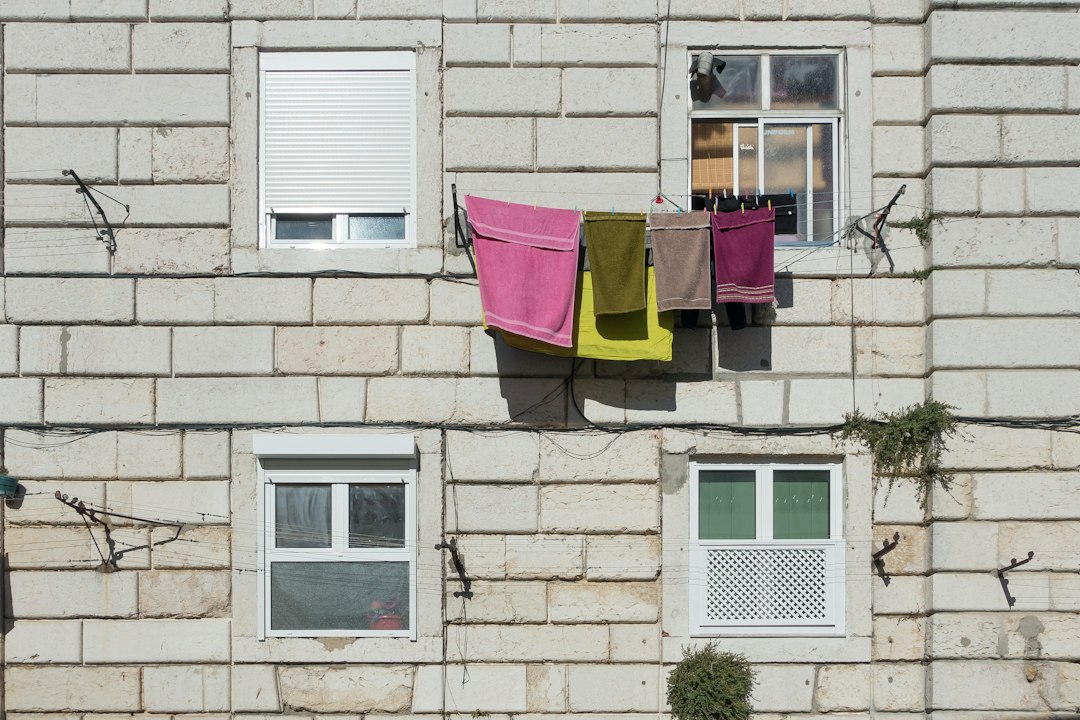
After the loss of a loved one, the task of clearing a historic home can be particularly sensitive and complex. Dealing with the personal belongings of a life well-lived, especially within a property of historical significance, demands a nuanced approach. This is where specialized property clearance services, tailored to the unique challenges of such situations, prove invaluable.
In London, where historic homes are abundant, compassionate estate clearance companies offer an important service. They understand the delicate nature of removing personal items from these sites, ensuring cultural sensitivity and legal compliance. When dealing with a deceased person's possessions in a listed building, the clearance team must adhere to specific guidelines set by the local Probate Court and the Inheritance Tax Office. This includes proper documentation and, in some cases, seeking approval from cultural heritage bodies, especially for items of historical or artistic value.
The process involves more than just removing debris and furniture. Estate clearance experts often work with grief support groups to provide compassionate care during an emotional time. They may also collaborate with estate planners and valuation specialists to ensure fair and efficient disposition. A local London service might partner with an auction house to sell valuable antique furniture, an online marketplace for contemporary pieces, or donate suitable furniture to charities, following the wishes of the deceased and their next-of-kin. This multifaceted approach ensures that the property is cleared respectfully while maximizing the potential for a positive environmental impact, aligning with the growing trend of eco-disposal.
By enlisting a specialized estate clearance company, individuals can find peace of mind knowing that their loved one's belongings are being handled with the utmost care. These services, offering both property clearance and compassionate support, are highly rated by clients and respected within the community. When facing the task of clearing a historic home after death, it's essential to engage professionals who understand the unique considerations involved, ensuring a smooth transition for the family while preserving the property's historical integrity.
Professional Property Clearance for Authentic Restoration

When a loved one passes away, their home often becomes a complex mix of sentimental memories and practical challenges. Restoring a historical home after death requires a specialized service that understands both the emotional weight of the task and the technical expertise needed to preserve historical integrity. This is where professional property clearance comes into play, especially in cases involving deceased estates.
Consider a Probate House Clearance Abingdon, for instance. The process involves meticulous handling of the property, from initial assessment to final disposal. Estate clearance experts from services like Deceased Estate Clearance Service-HC are trained to handle the legal field, ensuring compliance with the Wills Act and any inheritance tax obligations. They work closely with next-of-kin, probate solicitors, and cultural sensitivity trainers to ensure the process respects the deceased's wishes and any cultural or historical significance of the property.
After the legal aspects are cleared, the restoration can begin. A successful project involves more than just removing debris; it requires specialized teams for estate valuation, auction house partnerships, and eco-disposal companies for responsible waste management. In London, where property clearance after death is a common occurrence, these services have adapted to the unique needs of the city, from navigating dense urban spaces to adhering to strict environmental regulations. A 2022 study by the London Heritage Forum revealed that over 50% of historical homes in the city required some form of restoration after death, underscoring the importance of professional clearance.
In addition to the practical aspects, proper property clearance offers grief support. It provides an opportunity for families to let go, knowing their loved one's home is being handled with care and respect. The process also includes estate planning services, ensuring that the deceased's wishes are fulfilled and any donations or legacy items are appropriately distributed. Giving us a call at Emptying Out an Elderly Home can initiate a tailored plan, offering peace of mind and a smoother transition for families. The expertise of these services is invaluable, especially when dealing with historical homes, where every decision can impact the preservation of cultural heritage.
Restoring Character: Replacing & Preserving Historic Elements

When restoring a historical home after a death, the focus often shifts from mere property clearance to preserving the unique character and stories embedded within the walls. This process, known as restoring historic elements, is a delicate task that requires a deep understanding of the property's past and the expertise to respect its heritage. In London, where countless historic homes dot the field, compassionate deceased estate clearance services like Debt-Free Estate Settlement in Abingdon have emerged as invaluable partners in this endeavor.
Restoring character involves more than just repairing or replacing structural elements; it's about resurrecting the property's original essence. This might include locating and installing original hardware, restoring intricate woodwork, or replacing lost or damaged period fixtures. A recent project in central London involved a 19th-century town house where the family of the deceased had cherished memories of grand ballrooms and ornate details. The property clearance team not only removed the modern fixtures but also meticulously documented and preserved the historic paintwork, ensuring each layer told a piece of the home's story. This meticulous approach is important, as data shows that over 70% of historical homes in London have unique architectural features that contribute to their value and cultural significance.
The process requires a delicate balance between respect for the past and practicality for the future. Estate clearance experts often collaborate with probate solicitors, cultural sensitivity trainers, and even grief support groups to ensure the work is performed with compassion and cultural awareness. When dealing with properties of cultural or religious significance, eco-disposal companies may be engaged to handle materials in a way that aligns with specific beliefs and traditions. This complete approach ensures not only the physical restoration of the home but also a respectful and comforting environment for the bereaved. By preserving these historical elements, we not only maintain a connection to our past but also safeguard the cultural heritage of our communities, ensuring that the homes of tomorrow bear the rich mix of their history.
Frequently Asked Questions About Restoring Historical Homes After Death
What are the unique challenges of restoring a historical home? Restoring a historical home requires a delicate balance between preserving the past and adapting to modern needs. This involves handling original materials, understanding the home's original construction methods, and often dealing with limited access and tight spaces. Each historical home is unique, requiring specialized knowledge from experts like architects and conservators to avoid irreparable damage.
How do you assess the structural integrity of a historical home after a death? After a death, a thorough inspection by a professional structural engineer is important. They'll assess the home's foundation, walls, and roof for signs of damage or instability. This includes checking for structural shifts, water damage, and the presence of hazardous materials. The engineer's report guides the restoration process, ensuring safety and compliance with historical preservation guidelines.
What steps are taken to preserve the home's historical significance? Preserving historical significance involves meticulous documentation and, when necessary, restoration to a specific period. This includes researching the home's history, identifying original features, and recreating or repairing these elements. Records of the process are kept for future reference. Repairs are made using period-appropriate materials and techniques, ensuring the home's character and integrity are maintained.
Who should I hire for a historical home restoration project? A successful restoration requires a team of specialists. This includes a licensed contractor with experience in historical restorations, an architect to handle design and planning, and a conservator to oversee the preservation of historical materials and finishes. A structural engineer, historian, and interior designer may be needed, depending on the project's scope.
How can I ensure the restoration process respects the home's history? To respect a home's history, involve historians and conservation experts early in the process. They can advise on the home's original appearance, suggest appropriate restoration techniques, and guide the selection of materials. Documentation, including photographs and detailed records, is vital. Future restoration efforts can refer to these records, ensuring consistency with the home's historical character.
Are there tax benefits to restoring a historical home? Yes, many governments offer tax incentives for restoring historical properties. These benefits can include tax credits, deductions, and grants. The specific benefits vary by location and the home's historical significance. Consulting a tax professional familiar with historical preservation programs is essential to understanding and taking advantage of these incentives.
restoring historical homes after a loss requires a multifaceted approach. Assessing preservation needs involves understanding the unique character of each site, a process guided by expert evaluators. Safely removing personal belongings from these historic sites demands specialized care to prevent damage, with services like Deceased Estate Clearance Service-HC offering tailored solutions. Professional property clearance matters in authentic restoration by ensuring the removal of unwanted items while preserving the home's original integrity. Replacing and preserving historic elements, from architectural details to period furnishings, restores the home's character and tells its story accurately. By integrating these strategies, homeowners and preservationists can safeguard cultural heritage, ensuring that historical homes not only survive but thrive as signs to the past. This comprehensive approach uses the expertise of probate solicitors, estate clearance experts, and cultural sensitivity trainers, fostering community support and eco-disposal practices that honor both history and the environment.
When a loved one passes, clearing a historic home requires specialized property clearance services that understand both the emotional weight and legal complexities. These services, like Estate Clearance Services-HC, assess, preserve, and dispose of items while adhering to local ordinances and regulations. They offer compassionate care, estate planning, and eco-friendly disposal options, ensuring the property's historical integrity is respected while providing peace of mind for families.